
Underwater diving in Majorca and the Pityuses
Majorca, Ibiza and Formentera
Home · Scuba diving
Underwater diving in Majorca is a very practised activity, both by the residents on the island and by the tourists who visit it. It offers a great variety of possibilities, from apnoea for beginners to dives for the most experienced divers.
There are immersions for all levels, both from the shore and by boat from the many diving centres along the coast. These centres also have all the equipment needed for hire, and they accept qualifications from the different organisations.
The waters around the archipelago stand out for their visibility, and the temperature ranges from 12–14 ºC in winter to 28–30 ºC in summer, so diving can be practised all year round.
Diving areas
There are different diving areas, each with its own character:
Tramuntana
It is perhaps the most extensive, from Cap de Formentor, in the north, to Sant Elm, in the southwest. The rocky formations of virtually the entire coast also give a particular look under the water. The fauna is typical of the Mediterranean, and in July and September it is worth looking out into the “blue”, because pelagic species are often seen. The most outstanding spots are Cap de Formentor, Cap de Catalunya, Port de Sóller and Sant Elm.
Sa Dragonera island
This island is separated from Sant Elm by a channel about 2 km wide. Diving along the whole outer coast is excellent because of the clarity of the water and the variety of depths, where the light creates surprising scenes, especially at Cap de Tramuntana and Cap de Llebeig.
Bay of Palma
In the bay of Palma, which runs from Cap de Cala Figuera to Cap Salines, there are some highly recommended dive sites. At Illa del Sec there are several wrecks, already quite worn by time. Across the area there are more wrecks, above all fishing boats and pleasure craft, some at depths reserved for experienced divers and others easier to reach, such as the so-called “dike wrecks”, a few metres from the west breakwater of the port of Palma. They are two vessels about 65 metres long that were sunk on purpose so that trawlers would not drag close to the coast, and they have become an oasis of life in the area.
North-east
This area stretches from Cala Ratjada to the bay of Alcúdia and is known for its many caves, some of them only accessible to experienced cave divers. The bay of Pollença can be dived along its whole length; the most interesting part is the stretch beside Cap de Formentor.
East
On the coast of Manacor, from Cala Varques towards Cala Falcó, there are underwater caves that we recommend visiting only with experts, because it is a dangerous area.
Nature reserves
The creation of nature reserves along the Majorcan coast in recent years has brought a clear recovery of the seabed, especially of territorial species such as groupers, moray eels, conger eels and forkbeards, which can be seen in large numbers and make these places a must for underwater photographers. Early in the morning and at dusk, large shoals of Mediterranean barracuda and other open-sea species, such as dentex and white seabream, come inshore to feed.
Majorca offers an outstanding setting for a sport that gains followers every day.
The Pityuses
In the Pityuses the water is even clearer than on the Majorcan coast, because of the posidonia that surrounds the islands. On clear days visibility reaches 50 metres. The water temperature ranges, as on the Majorcan coast, from 15 ºC in winter to 30 ºC on the hottest days, so diving can be practised all year round.
Boats can anchor all along the coast of Formentera. The most impressive part is the north, inside the special protection area. There are caves, walls with gorgonians and wrecks, and even shallow dives that show extraordinary meadows of posidonia, considered the best preserved in the Mediterranean.
On the coast of Ibiza the islets around the island stand out. A great deal of life can be seen: groupers, forkbeard, barracuda, giant dentex, moray eels, seabream, octopus, meagre and more. There are also wrecks full of life in several places, remarkable caves, an underwater canyon and an old fish farm.
From disfrutalaplaya we recommend going with professionals, because some places, such as the caves, are dangerous. They know exactly where to anchor, they run day and night trips for every level, they have the equipment, and they give lessons to anyone who has never tried this remarkable world of diving. Those lessons are a real surprise.
Recommended diving beaches
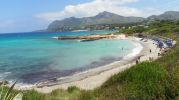 1Platja de Sant Joan - Alcúdia
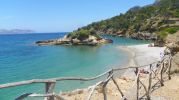 2S´Illot - Alcúdia
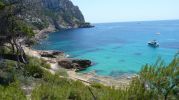 3Cala Llamp - Andratx
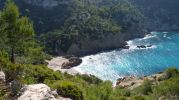 4Cala d´Egos - Andratx
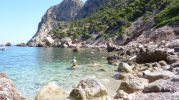 5Cala en Basset - Andratx
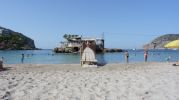 6Camp de Mar - Andratx
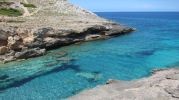 7Cala Estreta - Artà
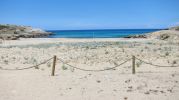 8Cala Mitjana - Artà
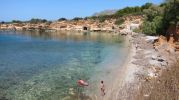 9Cala d´es Camps - Artà
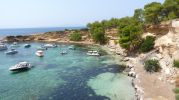 10Es Caló - Artà
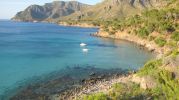 11Na Clara - Artà
 12S´Aigua dolça - Artà
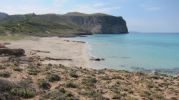 13S´Arenalet des Verger - Artà
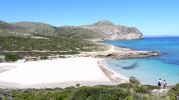 14Sa Font Celada - Artà
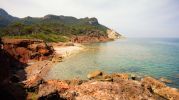 15Platja de Son Bunyola - Banyalbufar
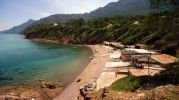 16Port des Canonge - Banyalbufar
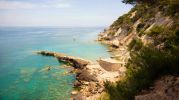 17Punta de sa Galera - Banyalbufar
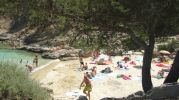 18Cala Cap de Figuera - Calvià
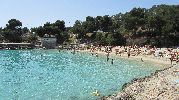 19Cala Comtessa - Calvià
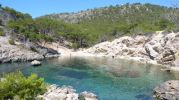 20Caló d´en Monjo - Calvià
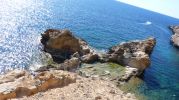 21Clot d´es Moro - Calvià
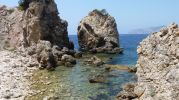 22Es Racó de ses Àguiles - Calvià
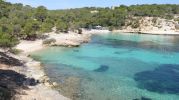 23Platja de Portals Vells - Calvià
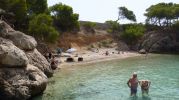 24Punta Negra - Calvià
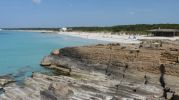 25Ses Covetes - Campos
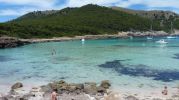 26Cala Moltó - Capdepera
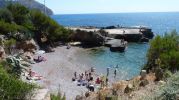 27Cala Rotja - Capdepera
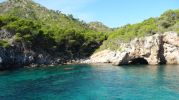 28Sa Cova d´es Vellmarí - Capdepera
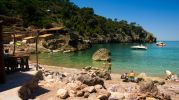 29Cala Deià - Deià
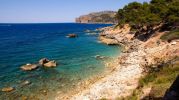 30Es Canyeret - Deià
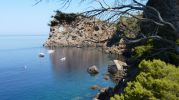 31Sa Foradada - Deià
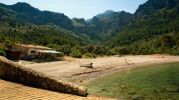 32Cala Tuent - Escorca
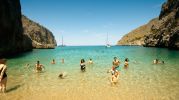 33Torrent de Pareis - Escorca
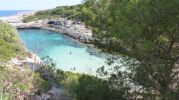 34Cala Brafi - Felanitx
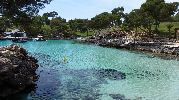 35Cala Mitjana - Felanitx
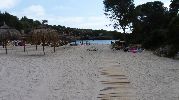 36Cala sa Nau - Felanitx
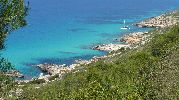 37Maioris - Llucmajor
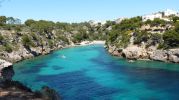 38Cala Pi - Llucmajor
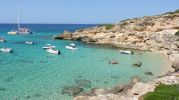 39Cala Vella - Llucmajor
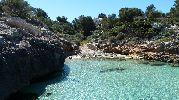 40Caló Fort - Llucmajor
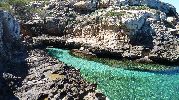 41Calonet des Cap Alt - Llucmajor
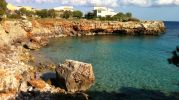 42Cala Morlanda - Manacor
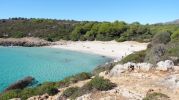 43Cala Varques - Manacor
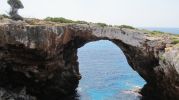 44Es Caló Blanc - Manacor
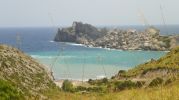 45Cala Castell - Pollença
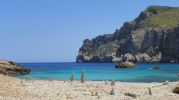 46Cala Figuera - Pollença
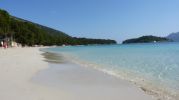 47Platja de Formentor - Pollença
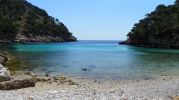 48Cala Murta - Pollença
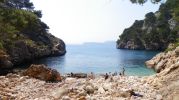 49Cala en Gossalba - Pollença
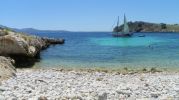 50El Caló - Pollença
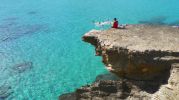 51El Maressar - Pollença
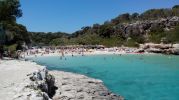 52Cala Llombards - Santanyí
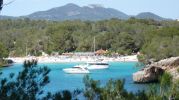 53Cala Mondragó - Santanyí
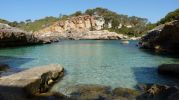 54Cala s´Almunia - Santanyí
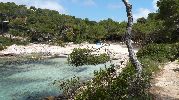 55Caló de sa Barca Trencada - Santanyí
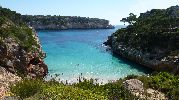 56Caló des Moro - Santanyí
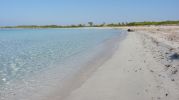 57Es Caragol - Santanyí
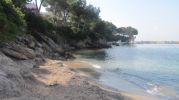 58Platja d´es Ratjolí - Son Servera
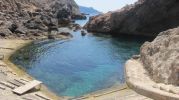 59Caló de s´Estaca - Valldemossa
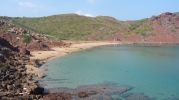 60Cala Pilar - Ciutadella
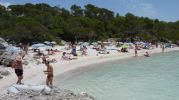 61Cala en Turqueta - Ciutadella
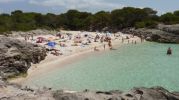 62Es Talaier - Ciutadella
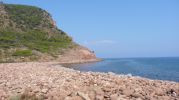 63Macar d´Alfurinert - Ciutadella
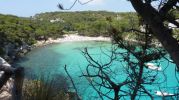 64Macarella - Ciutadella
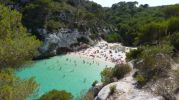 65Macarelleta - Ciutadella
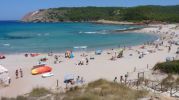 66Platja d´es Tancats - Ciutadella
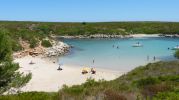 67Cala Pudent - Es Mercadal
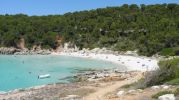 68Cala Escorxada - Es Migjorn Gran
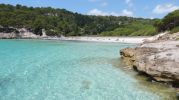 69Trebalúger - Es Migjorn Gran
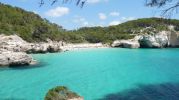 70Cala Mitjana - Ferreríes
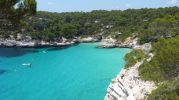 71Cala Mitjaneta - Ferreríes
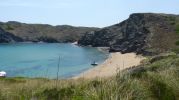 72Cala de s´Enclusa - Maó
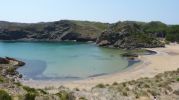 73Savinar de Mongofre - Maó
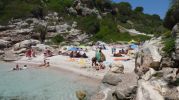 74Platja de Binidalí - Maó
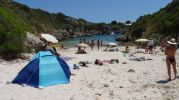 75Cala de Biniparratx - Sant Lluis
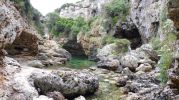 76Caló d´en Rafalet - Sant Lluis
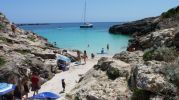 77Es Caló Blanc - Sant Lluis
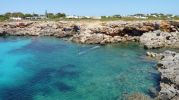 78Es Racó Fondu - Sant Lluis
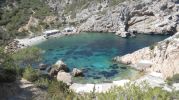 79Es Portitxol - Sant Antoni de Portmany
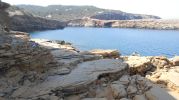 80Punta Galera - Sant Antoni de Portmany
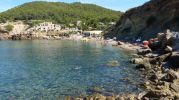 81Cala Xarraca - Sant Joan de Labritja
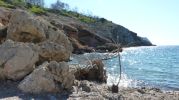 82Caló de l´Illa - Sant Joan de Labritja
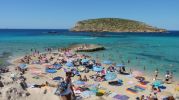 83Platges de Comte - Sant Josep de la Talaia
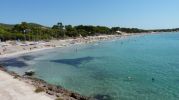 84Platja de ses Salines - Sant Josep de la Talaia
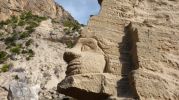 85Sa Pedrera - Sant Josep de la Talaia
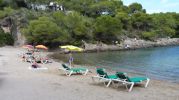 86Cala Mastella - Santa Eulària d´es Riu
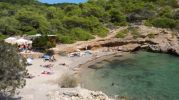 87Cala Olivera - Santa Eulària d´es Riu
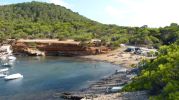 88Canal den Martí - Santa Eulària d´es Riu
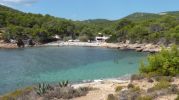 89Platja de s´Estanyol - Santa Eulària d´es Riu
 90Cala de Bocs - Formentera
 91Platja de s´Espalmador - Formentera
 92Sa Torreta - Formentera
